
Smith Lake Fishing: What Every Angler Needs to Know Before Hitting the Water
Smith lake fishing is one of Alabama’s best-kept secrets — a clear, deep reservoir packed with trophy striped bass, scrappy spotted bass, crappie, and more.
Here’s a quick snapshot of what makes Smith Lake worth the trip:
| Feature | Details |
|---|---|
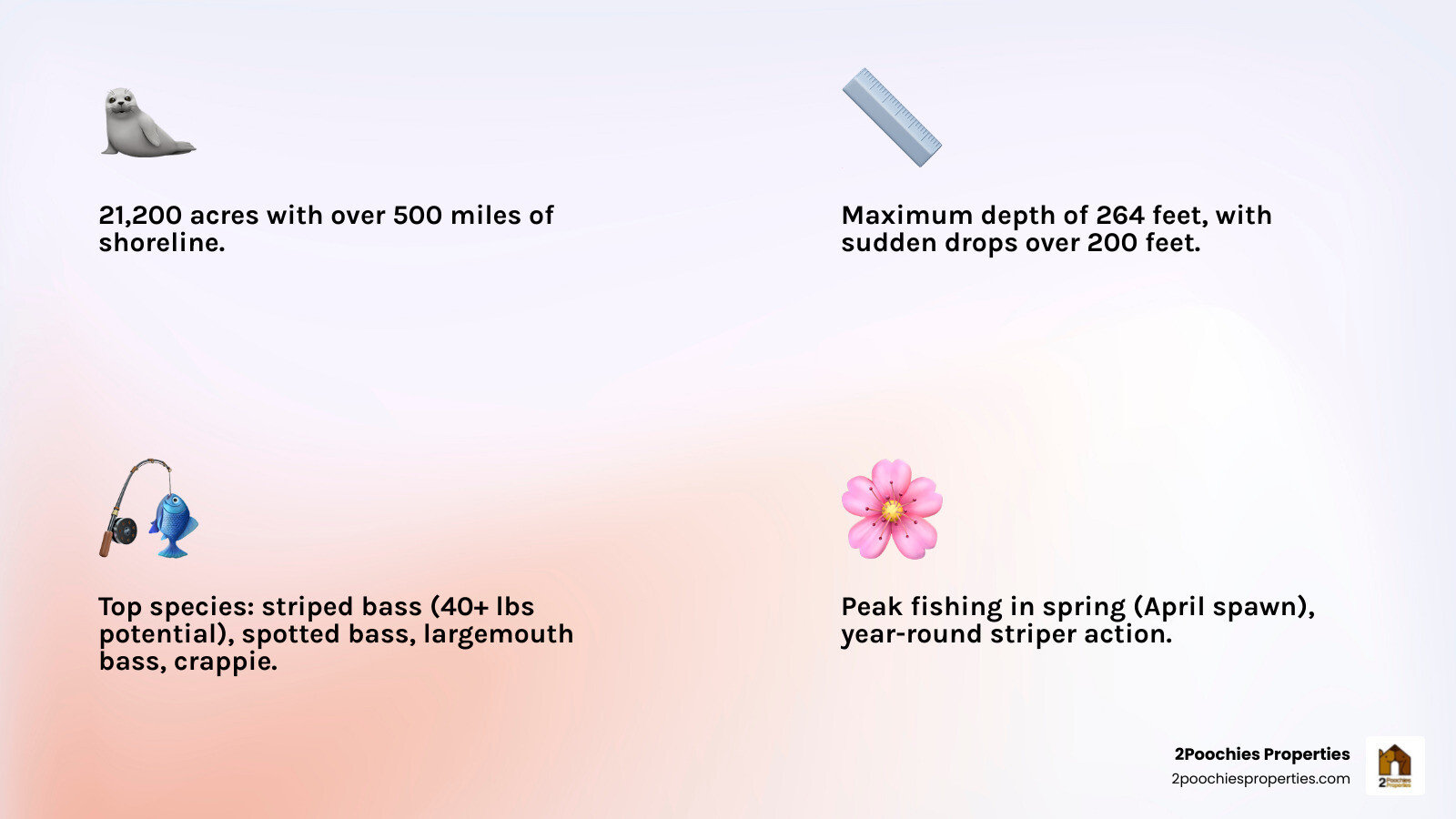
| Lake Size | 21,200 acres |
| Shoreline | 500+ miles |
| Max Depth | 264 feet |
| Top Species | Spotted bass, largemouth bass, striped bass, crappie, bream |
| Trophy Potential | Striped bass 40+ lbs, with 50+ lb fish possible |
| Best Season | Spring (especially April) for bass; year-round for stripers |
| Top Technique | Finesse rigs, live shad, shoreline casting |
| Location | Walker, Winston & Cullman counties, AL — 1 hour from Birmingham or Huntsville |
Lewis Smith Lake sits in north-central Alabama, just off I-65. It was created in 1961 when Lewis Smith Dam was built on the Sipsey Fork of the Black Warrior River. The result? A deep, crystal-clear reservoir unlike most lakes in the South.
Most Alabama lakes are murky and shallow. Smith Lake is neither. The water runs blue and clean. Depths can jump past 200 feet in a single reading on your depth finder. That unique character shapes everything about how you fish here — from the species you target to the techniques that actually work.
Local anglers describe the lake simply: “Like a diamond that is deep, clear and blue — one of Alabama’s treasures.”
I’m Tim Morgen from 2Poochies Properties, and Smith Lake fishing has been part of my life through years of lakefront living and hosting families and pet owners right on these waters. In this guide, I’ll share everything you need to plan a successful day on the lake — whether you’re chasing a monster striper near the dam or skipping a wacky rig under a dock for spotted bass.
Understanding the Unique Waters of Smith Lake Fishing
When you first pull your boat out onto the main channel, don’t be surprised if your depth finder starts doing a double-take. Seeing the screen jump to 200+ feet can be intimidating for any angler. This isn’t your typical farm pond or shallow river impoundment. Lewis Smith Lake is a deep, steep, and rocky highland reservoir.
The clarity here is legendary. On a calm day, you can look over the side of your boat and see structure 15 to 20 feet down. While that makes for beautiful scenery while you’re relaxing at one of our lakefront homes, it presents a challenge for smith lake fishing. Because the water is so clear, the fish can see you just as well as you can see them. This means “stealth mode” is always on. We recommend using lighter lines and natural-colored lures to avoid spooking the local residents.
The lake is divided into three primary “arms”: the Sipsey Fork (the western arm), Rock Creek (the middle arm), and Ryan Creek (the eastern arm). Each has its own personality. The Sipsey tends to stay the clearest, while Ryan Creek often has a bit more “stain” or color to it, especially after a heavy rain in Cullman County.

Targeting the Smith Lake Monster: Striped Bass
If you are looking for a fight that will leave your forearms burning, you’re looking for the Striped Bass. Smith Lake is famous for producing trophy-sized stripers. We aren’t just talking about “nice” fish; we’re talking about monsters in the 40-pound range, with local legends whispering about a 50-pound record just waiting to be caught.
These fish thrive in the deep, cool oxygenated water near the dam. Unlike bass that hide in the weeds, stripers are open-water roamers. They follow the baitfish—specifically shad and blueback herring.
According to Smith Lake | Outdoor Alabama, live shad are the preferred bait if you want to land a trophy. You can often find local bait shops in Crane Hill or near the marinas that sell live shad. Trolling is a popular method, but during the cooler months, you might see these giants smashing bait on the surface. There is nothing quite like the sound of a 30-pound fish “busting” topwater in the early morning mist.
Spotted and Largemouth Bass Patterns
While the stripers get the headlines, the “bread and butter” of smith lake fishing is the spotted bass. Smith Lake is widely considered one of the premier spotted bass fisheries in the Eastern United States. These aren’t your average “spots”—they are “mean” and incredibly strong for their size. It’s common to pull in 5-to-6-pound spotted bass that fight like they’re twice that weight.
Spotted bass love the deep, rocky points and the submerged timber that sits 35 to 40 feet down. Because they are sight hunters, they thrive in the clear water.
Largemouth bass are also present, though they play second fiddle to the spots in terms of numbers. If you want to target largemouths, head toward Ryan Creek. It has a reputation for being the “greener” side of the lake with more shallow-water cover like fallen trees and shoreline brush. To dive deeper into the specifics of bass behavior, check out our How to Catch More Fish with Our Smith Lake Bass Fishing Guide.
Seasonal Strategies and Best Times to Fish
Timing is everything on Smith Lake. Since it’s now April 2026, we are currently in the absolute “Golden Hour” of the fishing calendar.
- Spring (March – May): This is the peak. As the water warms, both spotted and largemouth bass move toward the shoreline to spawn. April is prime time for sight fishing in the shallow coves. You’ll find fish guarding nests around large rocks and fallen logs.
- Summer (June – August): When the Alabama heat kicks in, the fish go deep or find shade. During the day, they might retreat to 30 or 40 feet. This is when night fishing becomes popular. Many of our guests at 2Poochies Properties love fishing under the dock lights. The lights attract insects, which attract baitfish, which attract the big bass.
- Fall (September – November): As temperatures drop, the shad begin to migrate into the backs of the creeks. The bass follow them in a feeding frenzy to gear up for winter. For the best locations during this transition, see our guide on the Best Fall Fishing Spots on Lewis Smith Lake.
- Winter (December – February): The water stays clear, and the fishing slows down, but it doesn’t stop. This is “finesse season.” You’ll need to slow your presentation down significantly, targeting deep humps and the river channels.
Mastering Smith Lake Fishing Techniques
Because of the water clarity, “finesse” is the name of the game here. If you show up with heavy flipping sticks and 65-pound braid, you might go home empty-handed.
- The Drop Shot: This is perhaps the most consistent producer on the lake. Use a small 4-to-6-inch finesse worm on a light fluorocarbon leader. Drop it down to those deep rocky points or over submerged timber.
- The Shaky Head: A simple jig head with a straight-tail worm is a spotted bass’s worst nightmare. Work it slowly along the bottom near boat docks and seawalls.
- Topwater: In the early morning or late evening, especially during the spring and fall, a walk-the-dog style lure can trigger explosive strikes from both stripers and bass.
- Wacky Rigging: This is a “secret weapon” for fishing around the thousands of docks on Smith Lake. Many of these docks sit over 40 feet of water, and spotted bass love to suspend underneath them.
For a more technical breakdown of these rigs, you can read our expert tips on Fishing Lewis Smith Lake Like a Pro.
Top Fishing Spots and Structures
With over 500 miles of shoreline, where do you start? At 2Poochies Properties, we always tell our guests that you don’t have to travel far from your dock to find fish, but if you want to explore, here are the “Hot Spots”:
- The Dam Area: Located at the southern end, this is the deepest part of the lake. It is the go-to spot for striped bass. The sheer rock bluffs here are also great for spotted bass.
- Ryan Creek: If you’re staying near Crane Hill or Cullman, Ryan Creek offers more “traditional” bass fishing. Look for the creek inlets and the areas with more shoreline vegetation.
- Rock Creek: This arm offers a mix of everything—deep points, steep bluffs, and plenty of docks. It’s a favorite for tournament anglers because of its consistency.
- Submerged Timber: When the lake was filled, much of the forest was left standing. In many areas, the tops of these trees are 30 to 40 feet below the surface. These are magnets for schools of fish.
- Boat Docks: Never overlook a dock. On Smith Lake, docks aren’t just for boats; they are massive artificial reefs. Look for docks with “character”—maybe some brush piles nearby or those located on a point.
For a detailed map-style breakdown, check out The Best Fishing Spots on Smith Lake for Every Angler.
Alabama Fishing Regulations and Safety
We want you to have a blast, but we also want you to stay on the right side of the law (and keep our fish populations healthy!). The Alabama Department of Conservation and Natural Resources (ADCNR) manages Smith Lake, and there are some specific rules you need to know.
- Black Bass (Spotted and Largemouth): There is a slot limit on Smith Lake. You must immediately release any black bass between 13 and 15 inches. You are allowed to keep 10 black bass per day in combination, but they must be either under 13 inches or over 15 inches. This helps ensure we have plenty of mature fish to keep the population growing.
- Striped Bass: There are special regulations for stripers as well. Generally, you are allowed two striped bass over 16 inches in your daily creel.
- Licenses: Anyone 16 or older needs a valid Alabama fishing license. You can easily get these online or at local bait shops in Cullman or Walker County.
- Boating Safety: Smith Lake is a “deep” lake, which means it can have some hidden hazards like floating logs after a big rain or unmarked rock humps. Always wear your PFD, especially when the big engines are running.
Stay updated on the latest conditions by reading our Don’t Get Skunked with the Latest Smith Lake Fishing Report.
Frequently Asked Questions about Smith Lake Fishing
What is the best bait for Smith Lake striped bass?
Without a doubt, live shad or blueback herring are the top choices. If you prefer artificial lures, large swimbaits that mimic shad or heavy jigs worked deep are effective. During a surface “blitz,” large topwater poppers can be incredibly exciting.
Where is the deepest part of Lewis Smith Lake?
The deepest water is found right near the Lewis Smith Dam, where depths reach approximately 264 feet. This deep, cold water is what allows the striped bass to thrive year-round, even in the middle of a hot Alabama summer.
Do I need a special license for Smith Lake?
You don’t need a “special” Smith Lake permit, but you definitely need a standard Alabama Freshwater Fishing License. These are available for residents and non-residents. Remember to keep your digital or paper copy on you at all times while fishing!
Conclusion
Smith lake fishing is more than just a hobby; it’s a way of life here in Alabama. Whether you’re a pro angler chasing a tournament win or a family looking to catch a few bream off the dock with the kids and the family dog, this lake has something for everyone.
At 2Poochies Properties, we understand that a fishing trip is better when the whole family—including your four-legged friends—can come along. Our lakefront homes in Crane Hill and across Cullman County are designed with you in mind. We offer pet-safe designs, fenced areas, and durable flooring, and we can even assist with boat rentals so you can focus on the “big one” instead of worrying about your pup.
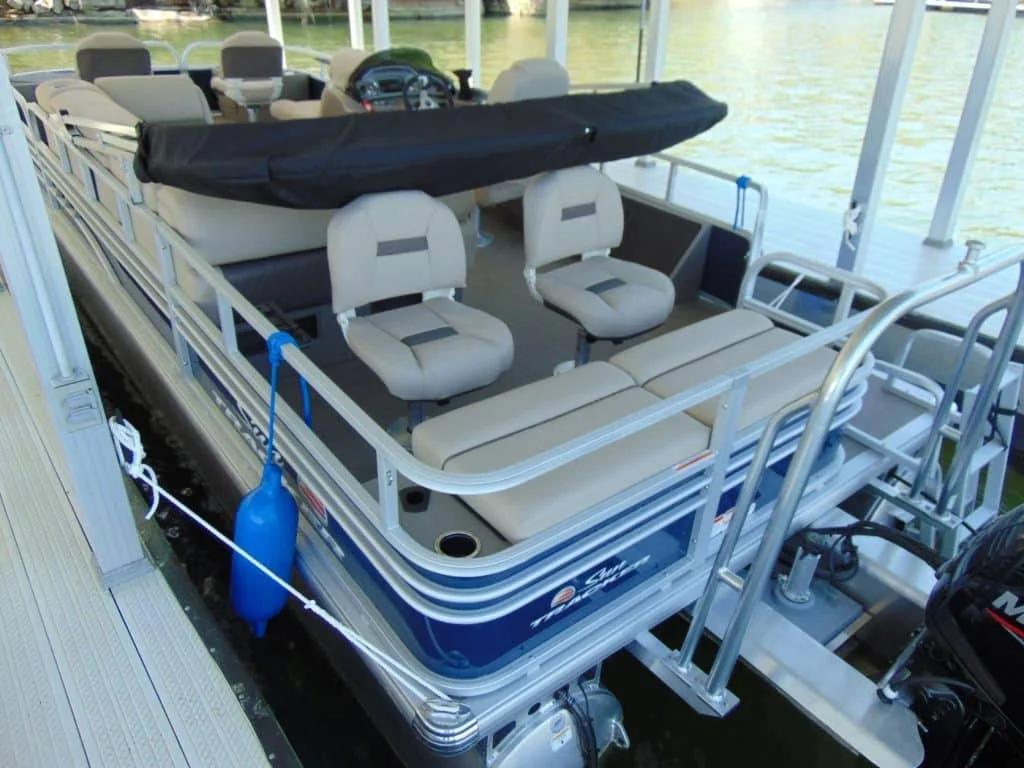
After a long day on the water, there’s nothing better than pulling your pontoon boat up to your private dock, firing up the grill, and watching the sunset over the blue waters of Smith Lake.
Ready to find your own Smith Lake monster? Contact 2Poochies Properties today to book your next pet-friendly lakefront getaway. Tight lines!