
Why Understanding Lewis Smith Lake Fishing Regulations Matters Before You Cast
Lewis Smith Lake fishing regulations are some of the most specific in Alabama — and knowing them before you launch your boat can mean the difference between a great day on the water and an expensive citation.
Here’s a quick-reference summary of the key rules:
| Species | Size Limit | Daily Creel Limit | Special Rules |
|---|---|---|---|
| Black Bass (largemouth, Alabama, spotted) | 13–15 inch slot (illegal to possess) | 10 in combination | Must release any bass 13–15 inches immediately |
| Saltwater Striped Bass | Max 2 over 22 inches | 15 | No culling June 15–Oct 15 |
| Rainbow Trout (Sipsey Fork) | No minimum listed | 5 | No culling; max 2 rods |
| Crappie | 9-inch minimum | 30 | Statewide limits apply |
| Walleye | N/A | N/A | Immediate release required on Sipsey/Mulberry Fork |
| Catfish & Bream | Statewide limits apply | Statewide limits apply | Standard Alabama rules |
Lewis Smith Lake is Alabama’s deepest lake, reaching 264 feet at the dam and covering 21,200 acres across Walker, Winston, and Cullman counties. Its crystal-clear water and trophy fishery attract serious anglers from across the Southeast — but that same fishery is carefully protected by regulations that go beyond the standard Alabama statewide rules.
This guide breaks down every major rule in plain language so you can fish confidently and legally.
I’m Tim Morgen from 2Poochies Properties, a lakefront vacation rental host on Smith Lake with hands-on experience navigating Lewis Smith Lake fishing regulations alongside our guests season after season. Our pet-friendly lakefront homes put you right at the water’s edge, so you can spend less time driving and more time fishing.
Lewis smith lake fishing regulations word roundup:
Master the Lewis Smith Lake Fishing Regulations
The Alabama Department of Conservation and Natural Resources (ADCNR) carefully manages the aquatic life in this massive, deep-water reservoir. Because the lake features unique physical characteristics—such as extreme water clarity and depths dropping past 200 feet—standard statewide rules are often adjusted here to protect the delicate balance of the food chain.
To stay on the right side of the law, every angler must understand both size limits and creel limits. A “creel limit” dictates the maximum number of a specific fish species you can legally keep in a single day. “Size limits” dictate which fish must be immediately returned to the water based on their physical measurements.
When measuring your catch, always lay the fish flat on a standard measuring board. Measure from the front of the closed mouth to the very tip of the tail, pinching the tail feathers together to get the maximum “total length.” Making a mistake by even a quarter of an inch can result in a violation.
Before you finalize your tackle box and head out to the dock, we highly recommend reading up on fishing lewis smith lake like a pro to understand how these regulatory boundaries shape daily fishing strategies. For real-time updates on local rules, you can also consult the Lewis Smith Lake Spotted Bass Season & Limits 2026 | CatchRules directory.
Black Bass Slot Limits Under Lewis Smith Lake Fishing Regulations
If you are targeting black bass—which includes largemouth bass, spotted bass, and Alabama bass—you must pay close attention to the slot limit.
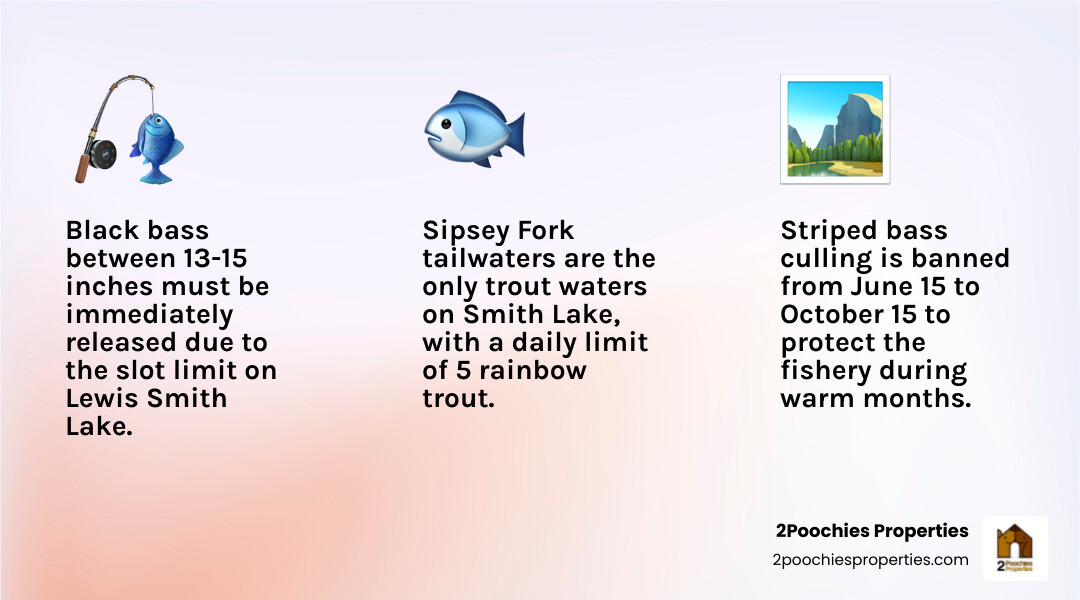
On Lewis Smith Lake, it is illegal to possess any black bass between 13 inches and 15 inches in total length.
This is known as a protective slot limit. If you catch a bass that measures anywhere from 13.0 to 15.0 inches, you must immediately release it back into the water with the least possible harm.
Why does this slot limit exist? State fisheries biologists designed this rule to restructure the lake’s bass population. By protecting the medium-sized, fast-growing fish in the 13-to-15-inch range, the lake maintains a healthy breeding stock.
Anglers are actually encouraged to harvest healthy black bass under 13 inches. Keeping these smaller fish reduces competition for food, allowing the remaining bass to grow much larger, much faster.
The daily creel limit for black bass on Smith Lake is 10 fish in combination per day. This means your daily harvest can include any mix of largemouth, spotted, or Alabama bass, as long as none of them fall within the protected 13-to-15-inch slot, and you do not exceed 10 total fish. To set yourself up for success, check out our beginners guide to bass fishing smith lake for a complete breakdown of gear and setup options.
Striped Bass Rules Under Lewis Smith Lake Fishing Regulations
Lewis Smith Lake is famous across the Southeast for its trophy-sized saltwater striped bass. Local legends tell of massive fish breaking lines, and some local anglers believe a state-record striped bass weighing over 50 pounds is waiting in the deep waters near the dam.
Because striped bass are highly prized and sensitive to environmental changes, they are subject to strict management guidelines:
- Daily Creel Limit: You may harvest up to 15 striped bass per day.
- Size Restrictions: Out of your 15-fish daily limit, no more than two saltwater striped bass may exceed 22 inches in total length.
- The Summer Culling Ban: It is unlawful to intentionally cull any saltwater striped bass from June 15th to October 15th on Lewis Smith Reservoir.
“Culling” is the practice of keeping a live fish in a livewell or container and later releasing it to replace it with a larger fish caught later in the day. During the warm summer months (June 15th to October 15th), the water in Smith Lake stratifies, and striped bass retreat to the deep, cool water.
When an angler hooks a striped bass from these depths and brings it through the warm surface water, the fish experiences extreme physical stress and barotrauma. Even if the fish looks healthy when placed in a livewell, its chances of surviving release later in the day are very low.
To prevent unnecessary mortality in this world-class fishery, the state bans all culling during this summer window. Once a striped bass goes into your livewell or onto your stringer between June 15th and October 15th, it counts toward your daily limit and cannot be swapped out.
Sipsey Fork Trout and General Alabama Creel Limits
Directly below the Lewis Smith Lake Dam lies the Sipsey Fork tailwaters. Because the water released from the bottom of the deep dam remains cold year-round, the Sipsey Fork is Alabama’s only year-round rainbow trout fishery. These trout travel all the way from the Dale Hollow National Fish Hatchery in Tennessee to be stocked in these cool waters.
However, the Sipsey Fork has its own highly specific set of rules that anglers must follow:
- Daily Creel Limit: The daily creel limit for rainbow trout is 5 fish.
- Rod Limitations: No more than two rods and reels, or poles, or any combination thereof may be used per angler at any time from the Lewis Smith Dam downstream to the confluence with the Mulberry Fork.
- No Culling Rule: It is unlawful to cull any trout caught from the Sipsey Fork. Once you place a trout in your bucket, basket, or livewell, it must remain in your possession until you pack up.
To help you visualize how these tailwater rules compare to the main reservoir regulations, we’ve put together a comparative guide:
Beyond bass and trout, several other species thrive in the main body of Smith Lake. For these species, general Alabama statewide limits apply:
- Crappie: There is a 9-inch minimum length limit and a 30-fish daily creel limit.
- Catfish: There is no daily limit on catfish under 34 inches, but you may only keep one catfish over 34 inches per day.
- Bream (Bluegill & Sunfish): The daily creel limit is 50 fish.
- Walleye: If you happen to catch a walleye in the Sipsey Fork or Mulberry Fork, you must release it immediately with the least possible harm.
Because the water conditions below the dam can change rapidly depending on power generation schedules, we always recommend checking the how to check smith lake water level quickly guide before planning a wading or bank fishing trip along the Sipsey Fork.
Seasonal Fishing Patterns and Best Spots on Smith Lake
Fishing on Smith Lake changed dramatically in the early 2000s when blueback herring were illegally introduced into the reservoir. By 2012, the herring population exploded.
Unlike native gizzard and threadfin shad, which stay relatively shallow, blueback herring prefer deep, open water. This introduction transformed Smith Lake from a traditional “brush-pile” fishery into an open-water schooling game. Spotted bass and striped bass now suspend at extreme depths—sometimes between 25 and 80 feet deep in the summer—to follow these fast-moving schools of herring.
To navigate this deep-water terrain, it helps to break the lake down by its famous creeks:
- Ryan Creek: Known for holding excellent shoreline structure, Ryan Creek is a favorite for largemouth bass and crappie. Target the sandy pockets, submerged timber, and shallow brush piles.
- Rock Creek: Rock Creek features gorgeous rocky shorelines. During the early morning and late afternoon, casting topwater lures like a zig-zagging Zara Spook or a white Zoom Fluke along these rocky shelves is highly effective.
- Brushy Creek: If you are looking for a quieter, less disturbed fishing environment, Brushy Creek is the place to go. Its winding arms offer excellent protection from wind and boat traffic.
- The Dam Area: The deep, cold waters near the Lewis Smith Lake Dam are the premier summer spots for trophy striped bass. Trolling live shad or using heavy umbrella rigs at varying depths will yield the best results.
For a detailed look at seasonal lures, water temperatures, and depth charts, consult the How to Fish Lewis Smith Lake: Best Patterns & Techniques | Omnia Fishing guide. You can also explore our comprehensive list of the best fishing spots on smith lake for every angler to map out your daily routes.
Frequently Asked Questions About Smith Lake Fishing
What is the slot limit for bass on Lewis Smith Lake?
The slot limit makes it illegal to possess any largemouth, spotted, or Alabama bass between 13 inches and 15 inches in total length. Any bass caught within this size range must be returned to the water immediately. Anglers are encouraged to keep bass under 13 inches to help manage the population.
Can you cull striped bass on Smith Lake?
No, you cannot cull striped bass from June 15th to October 15th. This seasonal ban is designed to prevent delayed mortality, as striped bass brought up from the cool, deep water during the hot summer months rarely survive release.
What are the trout fishing regulations on the Sipsey Fork?
Anglers are limited to a daily creel limit of 5 rainbow trout. Culling is strictly prohibited, and you may use a maximum of two rods and reels, poles, or any combination thereof at any time.
Conclusion
Understanding and respecting lewis smith lake fishing regulations is the best way to ensure our beautiful, deep-blue reservoir remains a world-class fishery for generations to come. Whether you are chasing trophy striped bass near the dam, wading for rainbow trout in the Sipsey Fork, or casting for spotted bass along the rocky points of Crane Hill, staying legal keeps the sport fun and sustainable.
When you are ready to plan your next North Alabama angling adventure, we invite you to book your stay directly with us at 2Poochies Properties. Our luxury lakefront homes in Cullman County and Crane Hill are designed with families and pets in mind—featuring fenced yards, durable flooring, and professional cleaning.
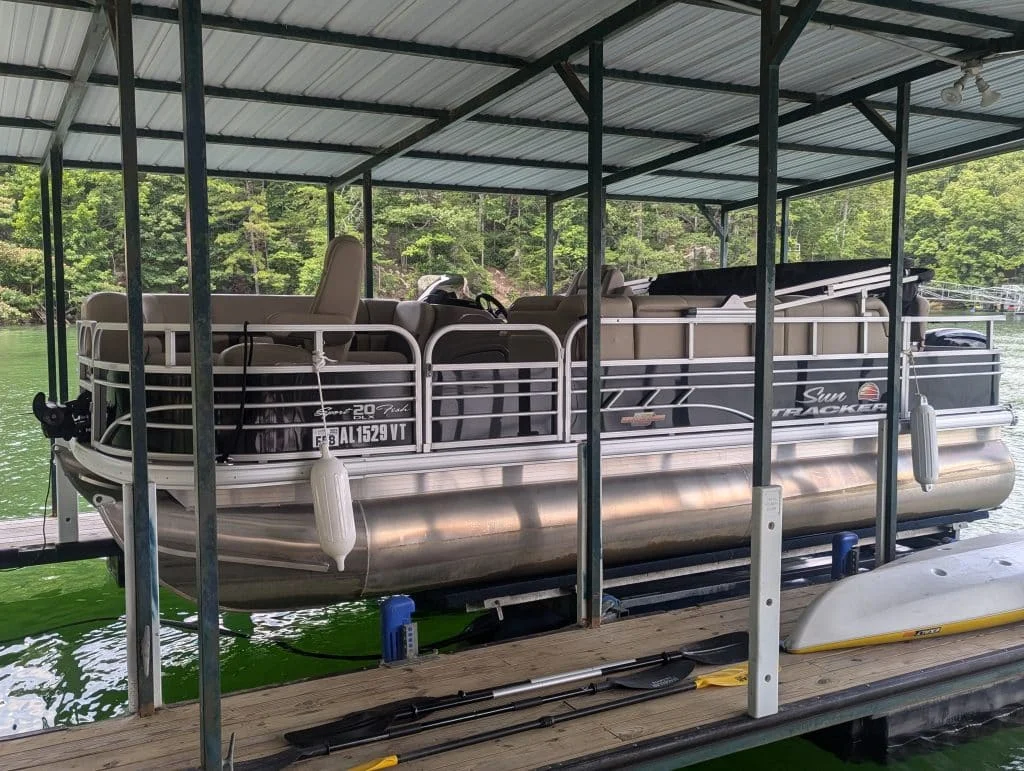
Please note that while our vacation homes are proudly pet-friendly, our pontoon boat rentals are not pet-friendly. This policy ensures all our boating equipment remains in pristine, allergen-free condition for every guest. However, your four-legged fishing buddies will have plenty of room to run, play, and relax safely inside our secure lakefront properties while you and the family enjoy swimming off our private deep-water docks.
Skip the third-party fees and book direct to secure your next trip. Book your direct stay with 2Poochies Properties today!