
How to Catch More Smith Lake White Bass in Deep, Clear Water
To catch Smith Lake white bass, find fast-moving bait schools first, then match them with small, silver baitfish lures. Watch for surface boils, diving birds, and bait on sonar around points, creek mouths, channel edges, and open-water humps. Cast a small paddle-tail swimbait, inline spinner, or topwater plug to active fish; when schools hold deeper, drop a jigging spoon straight below the boat.
Smith Lake’s clear water and deep basin make white bass nomadic. Blueback herring and shad can pull feeding schools away from the bank, so electronics and a willingness to move are often more important than staying on one favorite point. Early morning, wind-blown conditions, and low-light periods can make surface activity easier to find.
For a look at the lakefront setting around your fishing trip, visit 2Poochies Properties pet-friendly Smith Lake rentals.
I’m Tim Morgen, and I help guests plan relaxed Smith Lake stays through 2Poochies Properties, with lakefront homes designed for families and their pets. This guide shares practical Smith Lake white bass tactics to help you spend less time searching and more time casting. Anglers looking to expand their trip can explore our broader Smith Lake bass fishing overview, learn how to target hard-fighting Smith Lake hybrid bass, or hire top-rated Smith Lake fishing guides to dial in active schools.
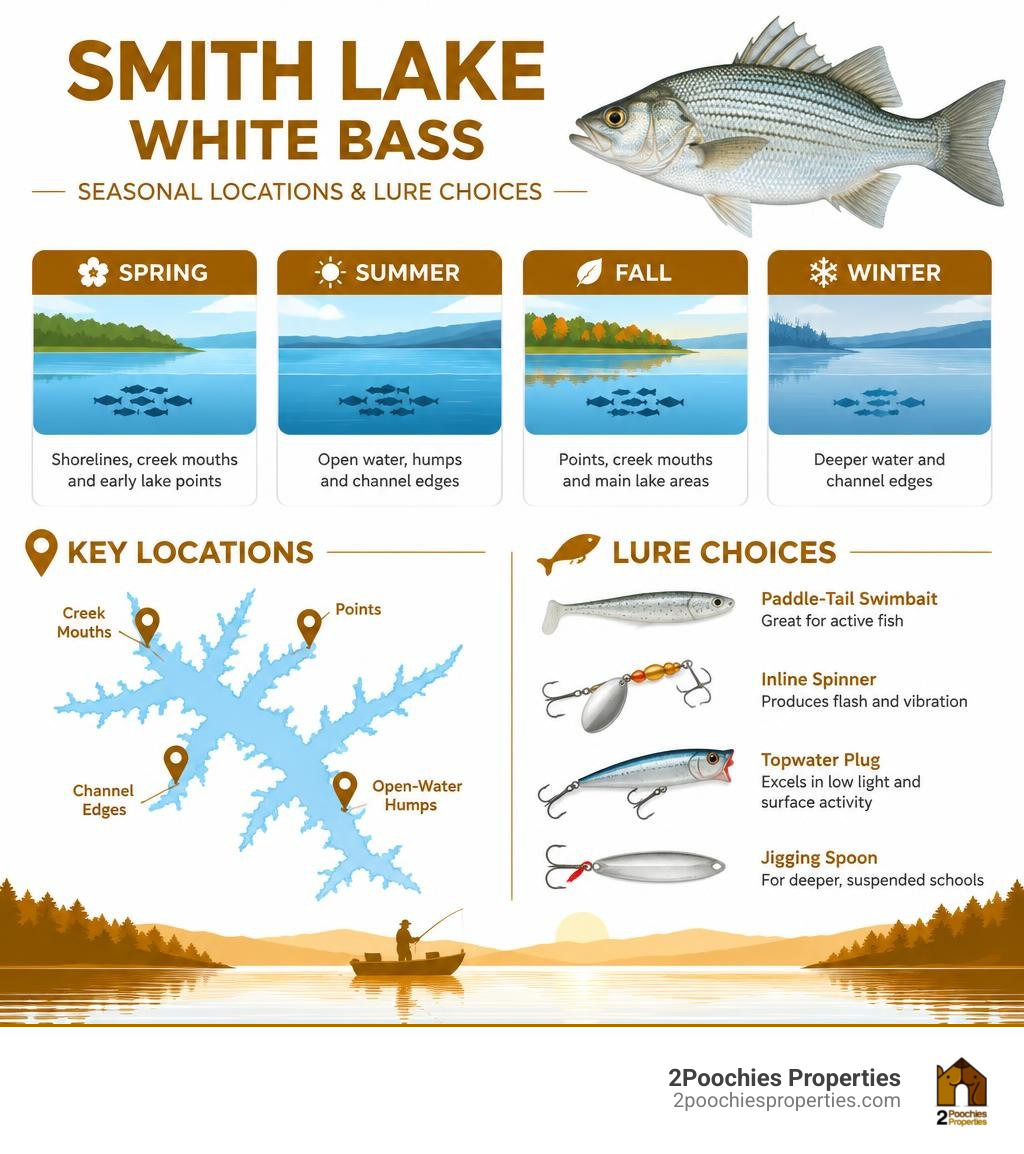
Understanding Smith Lake White Bass Behavior and Ecology
Targeting white bass on Lewis Smith Lake is an exciting angling challenge because of the lake’s unique physical environment. Spanning roughly 21,200 acres across Cullman, Walker, and Winston counties with over 500 miles of shoreline, this deep reservoir plunges to a maximum depth of 264 feet near the dam. Formed along the Sipsey Fork tributary of the Black Warrior River, its pristine, ultra-clear water creates visibility that routinely exceeds 10 to 15 feet.
Unlike largemouth bass that hug shallow bank cover or dock pilings, white bass (Morone chrysops) are true open-water, pelagic predators. They roam in massive, synchronized schools, utilizing the sprawling lake basin to herd baitfish against underwater topography, drop-offs, and current seams. Understanding these roaming dynamics is key to mastering our waters, as detailed in our comprehensive Lewis Smith Lake fishing guide.
State fisheries management through Outdoor Alabama highlights the dynamic balance between native sport fish and introduced forage. Most adult white bass caught on Smith Lake average between 10 to 15 inches (1 to 2 pounds), with occasional hard-fighting specimens pushing beyond 3 pounds.
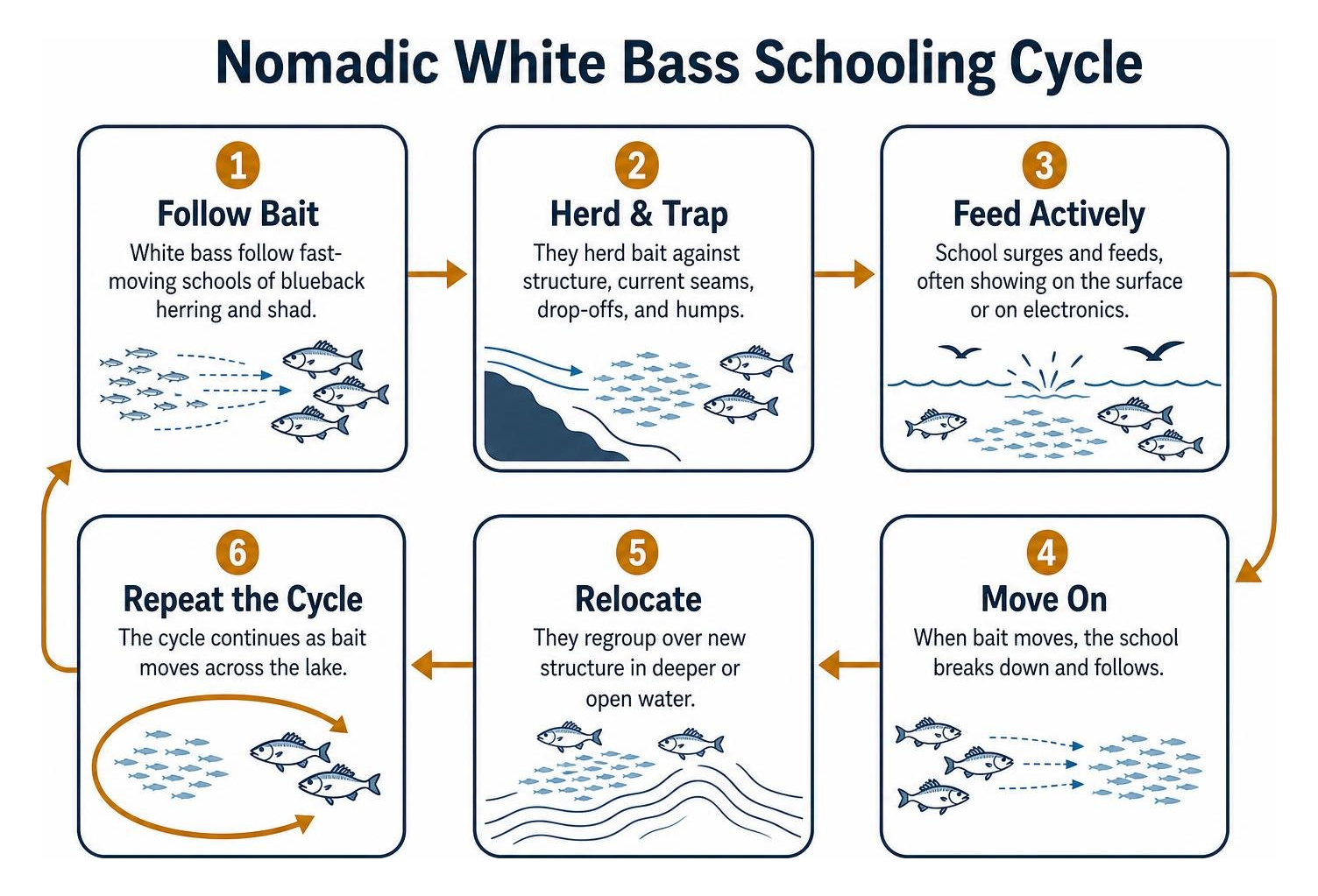
The Role of Blueback Herring in White Bass Feeding Patterns
Since their unauthorized introduction in the early 2000s and population surge around 2012, blueback herring have altered predator foraging habits across Smith Lake. While native gizzard and threadfin shad remain important forage, pelagic herring spend their lives cruising open water in loose, fast-moving pods rather than clustering tightly along the bank.
As highlighted in Major League Fishing tournament insights, predator species on deep reservoirs like Smith Lake actively shadow these fast herring schools over open expanses and submerged timber lines. White bass follow these pods, ambushing bait over main-lake channels and deep humps. Because water clarity is so high, white bass spot forage from substantial distances, sparking high-speed chasing behavior. To match this hatch, anglers must use translucent, slender profiles rather than wider shad patterns.
Key Differences Between White Bass and Hybrid Striper Schools
Because white bass often share open-water channels with striped bass and hybrid striped bass, telling them apart is essential for proper fish handling and creel limit compliance.
- Body Shape and Striping: White bass feature a deep, compressed body with distinct, unbroken horizontal stripes that run neatly along their silver sides. In contrast, hybrids often exhibit broken, jagged lateral lines below the lateral line.
- Tooth Patches: White bass possess a single, heart-shaped or round tooth patch on the base of their tongue. Hybrid stripers and pure stripers have two distinct, parallel tooth patches.
- Schooling Behavior: White bass and juvenile hybrids frequently co-school when hunting surface bait. When you land a schooling fish, check its tongue patch and striping before placing it in the livewell. For in-depth identification and tackle setup, review our hybrid bass fishing tactics.
Seasonal Strategies for Finding Smith Lake White Bass
Finding white bass requires following their seasonal migrations from river headwaters to main-basin thermoclines.
| Season | Primary Depth | Primary Locations | Top Presentations |
|---|---|---|---|
| Spring (Mar–May) | 4–15 ft | Sipsey Fork, Ryan Creek, Rock Creek | Inline spinners, small jerkbaits, hair jigs |
| Summer (Jun–Aug) | 20–45 ft | Main-lake humps, submerged timber, lighted docks | Jigging spoons, drop shots, live-lining |
| Fall (Sep–Nov) | Surface to 25 ft | Secondary points, creek channel pinch points | Walking topwaters, small paddle-tail swimbaits |
| Winter (Dec–Feb) | 35–65 ft | Deep river channel ledges, bluff walls | Heavy metal spoons, vertical blade baits |
Spring River Runs and Spawning Movements
Spring marks the annual spawning run, one of the most predictable feeding windows on the reservoir. As water temperatures climb into the mid-50s to low-60s, schools leave the main basin and run upstream into tributary headwaters.
The Sipsey Fork headwaters, Ryan Creek, and Rock Creek become prime destinations. Target current breaks, gravel bars, and staging points where feeder creeks meet the main river channels. Casting inline spinners, small white grubs on 1/8-ounce jig heads, or slender minnow baits across current seams produces explosive, multi-fish action as schools stage before heading upstream.
Summer Thermocline and Night Fishing Tactics
By summer, rising surface temperatures push white bass down toward the oxygen-rich thermocline, typically hovering between 20 and 40 feet along the main lake.
During bright daylight hours, locate schools suspended over deep water near underwater humps or standing timber. Dropping vertical jigging spoons directly through the school triggers aggressive reaction strikes.
As the sun sets, white bass rise toward the surface to corral baitfish. Fishing around illuminated docks or deploying submersible green fishing lights draws swarms of baitfish, followed quickly by voracious white bass. Casting small swimbaits or live minnows into the lighted perimeter offers non-stop evening action.
Fall Surface Blitzes and Winter Deep Stacking
Autumn ushers in the fall turnover and dramatic feeding blitzes. Cooling surface waters prompt blueback herring and shad to migrate toward secondary points and creek mouths.
Look for diving birds and boiling water across open channels. When schools herd bait to the surface, cast walking topwater lures, poppers, or small swimbaits into the frenzy.
As winter settles over North Alabama, white bass group tightly along deep river channel ledges, sheer bluff walls, and 40- to 60-foot drop-offs. Vertical presentations—such as heavy chrome spoons or blade baits bounced right off bottom contours—remain the most effective cold-water approach.
Best Lures, Gear, and Electronics Techniques
Equipping yourself properly makes all the difference when navigating Smith Lake’s deep, clear waters. To explore more productive water across the reservoir, check out our guide on top fishing spots across Smith Lake.
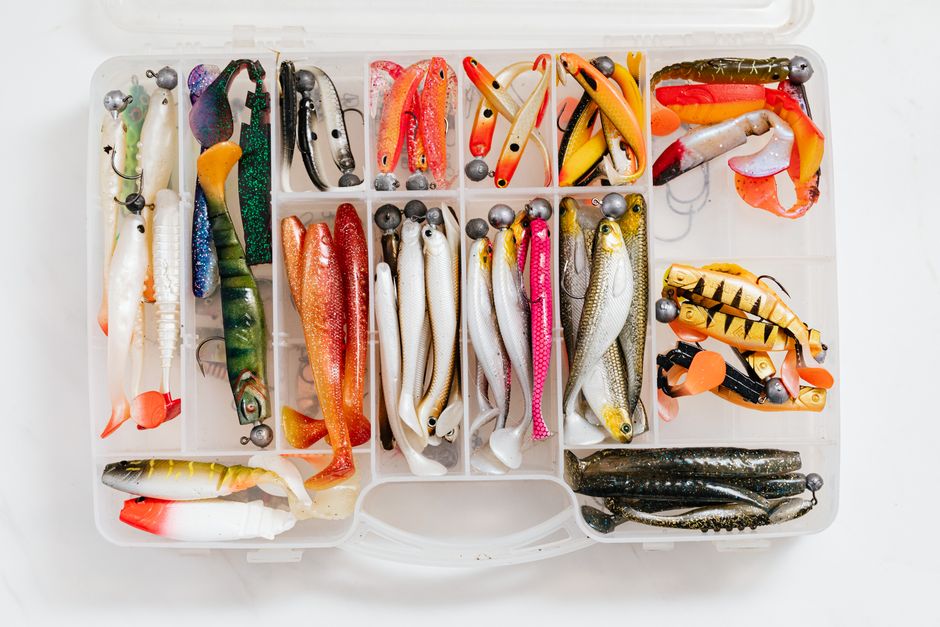
Essential Tackle and Lures for Smith Lake White Bass
- Rods and Reels: A 6’6″ to 7’0″ medium-light to medium-power spinning rod paired with a 2500-series spinning reel offers the casting distance and sensitivity needed for light presentations.
- Line Setup: Spool your reel with 8- to 10-pound braided main line tied to a 6-to-8-foot leader of 6-to-8-pound fluorocarbon. The ultra-thin fluorocarbon is nearly invisible in Smith Lake’s clear water, preventing line-shy strikes.
- Jigging Spoons: 1/2- to 3/4-ounce chrome or white casting spoons (like the Kastmaster or Hopkins spoon) work wonders for deep schooling fish.
- Soft Swimbaits: 2.5- to 3.5-inch paddle-tail swimbaits on 1/4-ounce ball jig heads in albino, translucent smoke, or natural shad patterns match juvenile herring perfectly.
- Topwater Lures: Walking stickbaits and small poppers in bone, chrome, or clear finishes excel during early morning feeding boils.
Locating Smith Lake White Bass with Forward-Facing Sonar
Modern marine electronics have transformed open-water fishing. Forward-facing sonar (such as Garmin LiveScope or Lowrance ActiveTarget) allows you to track nomadic schools in real time:
- Scan Pelagic Basins: Position the transducer to scan open pockets between 15 and 50 feet around underwater saddles and channel swings.
- Identify Bait Pods: Loose, erratic clouds on your screen indicate roaming blueback herring, while dense, solid clusters represent shad.
- Target Schooling Predators: Look for fast-moving, clustered returns shadowing these bait balls.
- Pinpoint Presentation: Cast beyond the school, count down your swimbait to their exact depth, and retrieve right through the feeding pack.
Top Hotspots and Navigation on Lewis Smith Lake
- Duncan Bridge Area: The deep river channel swings near Duncan Bridge provide sharp drop-offs and open flats where white bass stage throughout summer and late fall.
- Crane Hill Coves and Main Channel: Coves in Cullman County around Crane Hill offer ideal secondary points and current breaks where baitfish collect after windy afternoons.
- Sipsey Fork & Rock Creek Junction: This junction provides deep structural ledges that funnel bait during seasonal migrations.
- Wind-Blown Main Lake Points: Look for rocky points facing incoming wind. The surface chop breaks light penetration and concentrates bait against the shoreline.
Before keeping your catch, make sure you understand the Alabama state fishing regulations to ensure you are up to date on licensing and creel limits.
Frequently Asked Questions About White Bass on Smith Lake
What is the best time of year to catch white bass on Smith Lake?
Spring (March through May) offers the highest catch numbers as schools concentrate in upstream river runs like the Sipsey Fork. Late summer and fall (September through November) deliver exciting surface boils and topwater schooling action across main lake points.
What line and leader setup works best in Smith Lake’s clear water?
Because visibility regularly exceeds 10 feet, use a light 10-pound braided main line joined via an FG or double uni knot to a 6-to-8-pound fluorocarbon leader. This setup delivers long casts while keeping your presentation completely natural.
Do I need a special permit to keep white bass on Smith Lake?
Anglers between 16 and 64 years of age only need a valid Alabama freshwater fishing license. While black bass species on Smith Lake are managed under specific slot limit rules, white bass follow standard statewide creel limits without slot restrictions. Always verify current limits with the Alabama Department of Conservation and Natural Resources before harvesting fish.
Conclusion
Smith Lake offers an exceptional freshwater fishing experience, combining scenery, deep water, and hard-fighting white bass schools. Whether you are running upstream into the Sipsey Fork during the spring spawn or tracking open-water blitzes across Cullman County, successful trips come down to matching the hatch, watching your electronics, and embracing mobile, open-water tactics.
When planning your North Alabama getaway, we invite you to stay with us at 2Poochies Properties. Our lakefront homes in Crane Hill provide convenient access to local boat ramps and lake landmarks like Smith Lake Park. Every home features thoughtful, pet-safe designs with durable flooring, fenced yards, and immaculate, allergy-free cleaning so your four-legged family members can enjoy the trip too. For rental inquiries and trip planning, reach out via our contact page.
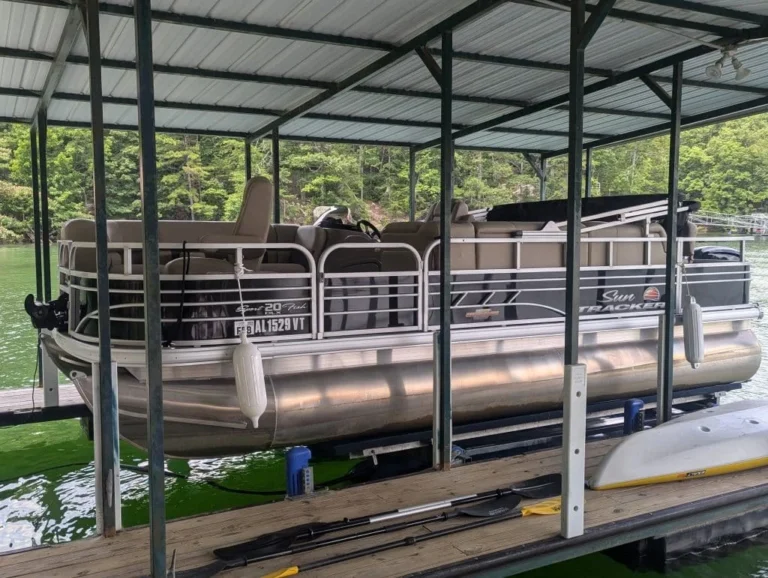
If you want to get out on the water, boat rentals featuring pontoon options are also available to add to your lodging stay. Please note that while our lakefront homes are pet-friendly, pontoon rentals do not permit pets on board to maintain safe and clean boating equipment for all guests.
Ready to explore these clear waters? Book directly with us to save on your stay and plan your next fishing getaway on Smith Lake. For personal assistance and trip planning, reach out via our contact page today.